Product mockups & lifestyle scenes
Realistic product presentations across living rooms, offices, studies, golf rooms, fan caves, garages, and gallery walls using controlled compositing, perspective, scale, shadow, and art direction.

Creative systems · E-commerce · AI workflows
Building a scalable creative production system for print-on-demand brands by turning one source artwork into product visuals, lifestyle scenes, campaign creative, video, and production-ready files.
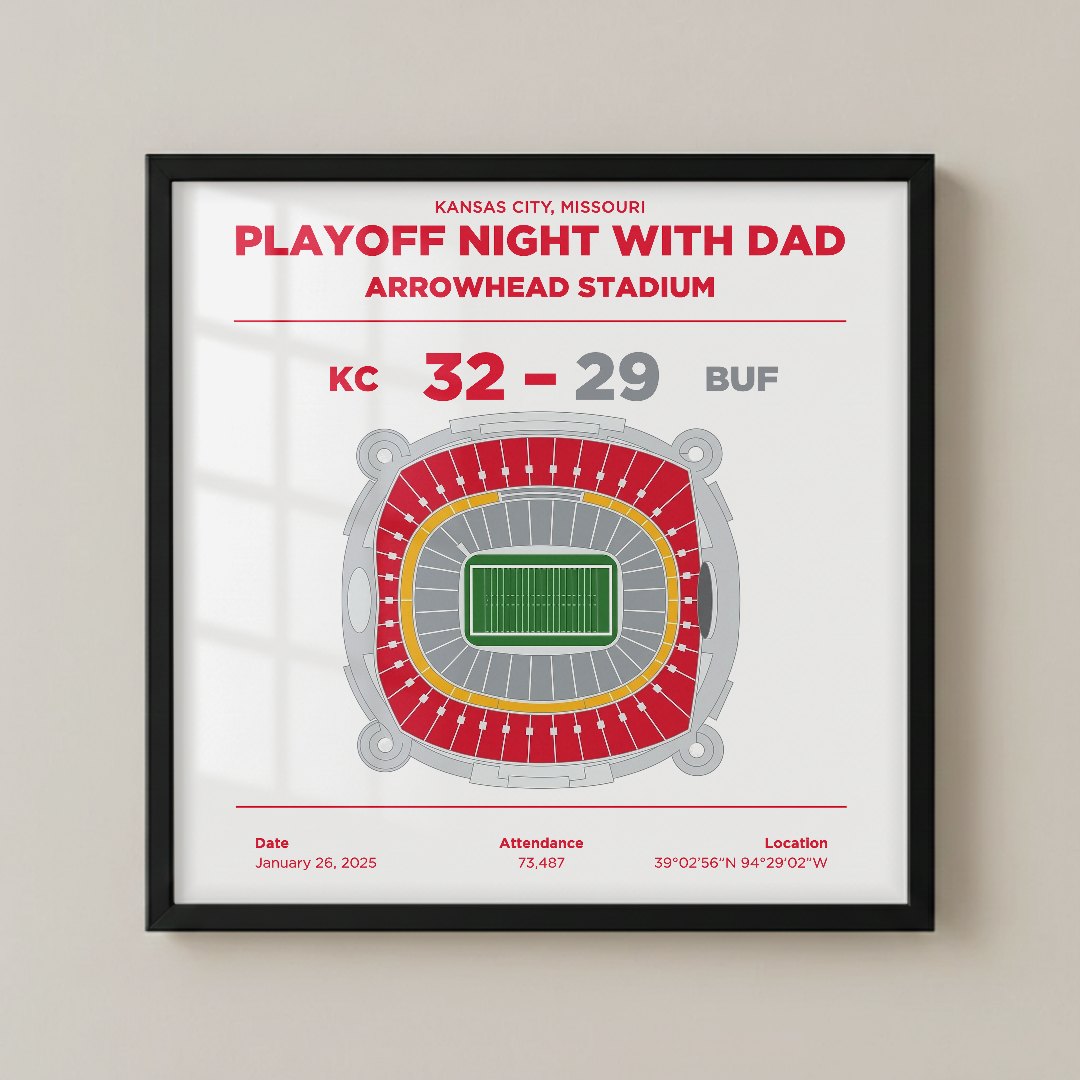
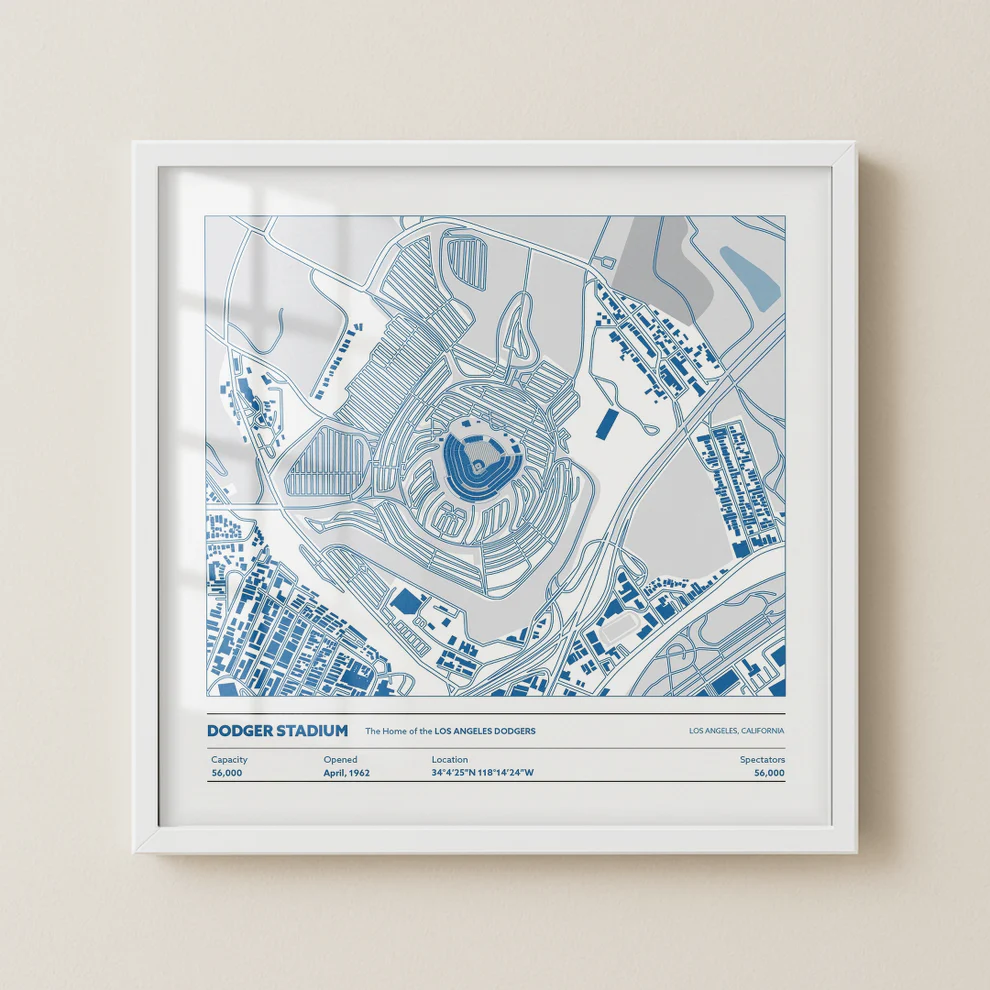
A framed print appears simple. Producing and marketing thousands of variations at e-commerce scale is not.
Every product can require multiple frames and sizes, room environments, PDP images, gallery wall arrangements, seasonal campaigns, ad formats, UGC videos, and accurate high-resolution print files. Building every asset manually slows production, creates inconsistencies, and makes creative testing expensive.
The system needed to solve two problems at once: produce more usable assets with greater consistency, and communicate why the subject of the artwork mattered to the buyer.
The strategic shiftSell the place,
not the print.
Golf course art represents the round someone still talks about. Stadium art recalls childhood Sundays, historic games, and hometown identity. The product became a memory anchor, not interchangeable wall decor.
A validated source asset moved through a controlled workflow and emerged as everything required for product presentation, advertising, and fulfillment.
Check dimensions, artwork accuracy, proportions, print resolution, and product restrictions.
Generate controlled frame, room, size, lifestyle, and gallery-wall combinations.
Assign every image a conversion job: scale, detail, room fit, gifting, or collection building.
Adapt assets for 1:1, 4:5, 9:16, offers, hooks, audiences, and emotional angles.
Develop human or AI-assisted UGC, product video, storyboards, and vertical creative.
Prepare clean, organized PDF, SVG, and high-resolution output for production.
Generative environments were flexible. Artwork, typography, white space, map detail, frame, and product proportions stayed protected.
Realistic product presentations across living rooms, offices, studies, golf rooms, fan caves, garages, and gallery walls using controlled compositing, perspective, scale, shadow, and art direction.
Python and Pillow templates placed artwork into repeatable layouts, generated frame and background combinations, applied campaign copy, and exported consistent variants across large catalogs.
Complete creative packages included audience, objective, hooks, scripts, shots, product references, B-roll, on-screen text, music, edit notes, and CTA rather than isolated prompts.
This gallery includes print, skincare, and supplement examples from my broader portfolio to show the production approach across categories.
Raw generation moved through composition selection, detail correction, typography reconstruction, high-resolution rebuilding, proportion validation, print preparation, and quality control.
Real photos, clips, and stories placed near product pages, retargeting, and checkout to reduce purchase anxiety.
Repeatable ad-ready content, with the creator’s room and environment treated as part of the casting decision.
Lifestyle variation, aesthetic reveals, motion tests, and non-testimonial scenes without a photoshoot for every concept.
Use people when credibility matters.
Use AI when the requirement is visual scale.
Artwork and scene templates could be used again across product and campaign variations.
Reusable templates reduced the need to rebuild every asset from the beginning.
More rooms, walls, formats, hooks, offers, and campaign concepts without a new shoot each time.
Controlled workflows protected the artwork while the surrounding creative changed.
The project developed from a collection of design requests into a connected production model spanning brand positioning, visualization, advertising, human and AI-assisted UGC, programmatic generation, print production, and quality assurance.
Questions about this project? Talk to my bot